Introduction
Camping tents are the cornerstone of any outdoor adventure, offering shelter, warmth, and comfort. Yet, even the most experienced campers often underestimate how small oversights can transform a peaceful trip into a frustrating ordeal. Whether it’s choosing the wrong size, neglecting weather conditions, or failing to test the tent before heading out, these missteps can make a night in nature far less enjoyable.
This guide reveals eight of the most common—and easily avoidable—camping tent mistakes that ruin camping trips. By understanding and correcting these issues, you’ll ensure every outdoor escape feels more like a retreat and less like a struggle.
1. Ignoring Tent Capacity Recommendations
One of the biggest mistakes campers make is assuming a “4-person tent” comfortably fits four adults. In reality, tent capacities are calculated based on the tightest sleeping arrangements possible—like sardines in a can. Always size up. If two people are camping, consider a 3-person tent to allow extra space for gear, clothing, and comfort.
A cramped tent not only leads to poor sleep but also traps condensation more easily, making mornings damp and uncomfortable. Prioritize personal space—especially on longer trips—since tent livability dramatically affects morale and rest quality.
2. Choosing The Wrong Tent For The Weather
Not all camping tents are designed for all seasons. Many first-time campers mistakenly bring a summer tent to a windy autumn ridge or a winter-style tent to humid summer nights. A tent’s season rating matters:
-
2-season tents: Lightweight, for fair weather and minimal rain.
-
3-season tents: Handle spring through fall, moderate rain, and wind.
-
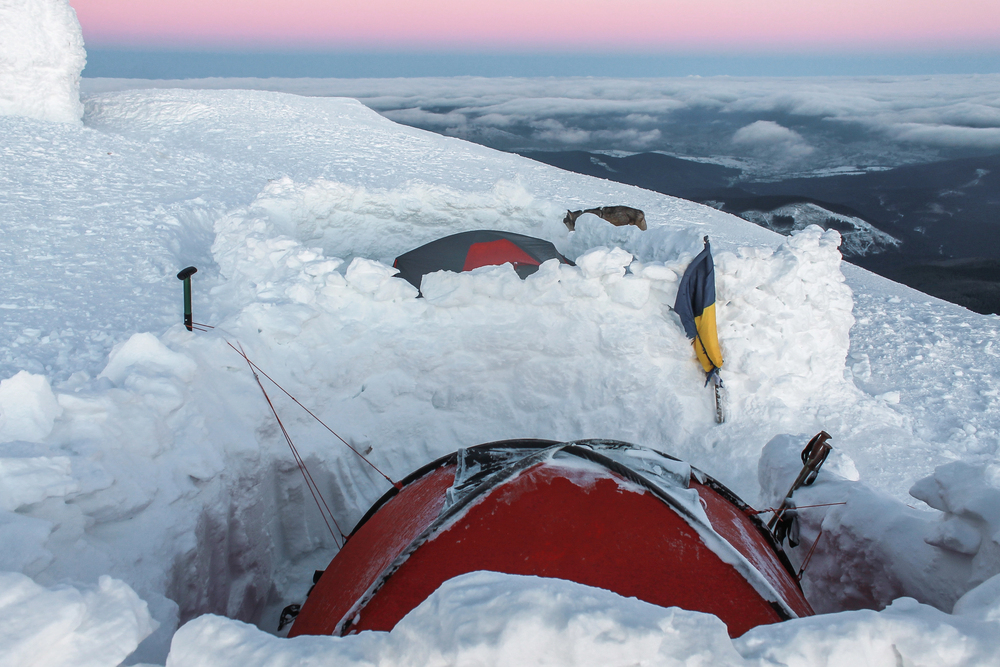
4-season tents: Built for snow, wind, and cold conditions.
Using the wrong type invites discomfort and even danger. For example, a 2-season tent in a rainstorm can quickly flood, while a 4-season tent in summer may trap unbearable heat. Always match your tent’s design to the expected climate.
3. Failing To Test Setup Before The Trip
A new tent straight out of the box is not the time for a first-time setup. Many campers reach their destination at dusk only to struggle with poles, rainfly alignment, or missing stakes. Testing your camping tent beforehand at home or in the backyard ensures you understand its design and functionality.
Practicing setup helps you identify missing components, estimate setup time, and verify waterproofing. Additionally, pre-trip testing provides confidence and reduces stress when daylight fades and weather conditions worsen.
4. Ignoring Tent Ventilation
Condensation is the silent enemy of comfort inside a camping tent. Without proper ventilation, moisture from your breath and body collects inside the tent walls, leaving gear and sleeping bags damp by morning. This is especially common in humid climates or after overnight temperature drops.
Look for camping tents with adjustable vents, mesh panels, and dual doors for cross-breeze airflow. Even in cold weather, partial ventilation is essential to prevent condensation buildup. Remember, ventilation doesn’t mean exposure—it means balance.
5. Choosing Poor Campsite Terrain
The perfect camping tent can’t save you from a poor campsite choice. Setting up on uneven or low ground invites water pooling, poor sleep, and structural instability during wind gusts. Always choose a flat, elevated area with good drainage.
Before pitching the tent, clear away rocks, sticks, and debris that can puncture the tent floor or create discomfort. For extra protection, use a footprint or groundsheet slightly smaller than the tent base to prevent rainwater from collecting underneath.
A simple five-minute inspection before setup can save hours of discomfort later.
6. Neglecting Tent Maintenance And Storage
Many campers pack up wet tents after a rainy night and forget to dry them later. This mistake leads to mildew, odor, and fabric deterioration. Camping tents should always be aired out and fully dried before long-term storage.
Clean the tent using mild soap and water—never a washing machine. Store it loosely in a cool, dry area instead of tightly packed in its stuff sack. Proper care extends the tent’s life and maintains its waterproof coatings, saving money in the long run.
Maintenance also includes inspecting zippers, seams, and poles regularly. Reapplying seam sealant annually ensures consistent waterproof performance.
7. Overlooking Tent Accessories And Add-Ons
A tent alone may not be enough for true comfort and protection. Many campers skip essential add-ons such as footprints, gear lofts, vestibules, or rainfly extensions—only to regret it later.
A footprint protects the floor from abrasion and moisture. A gear loft keeps essentials organized and off the ground. Vestibules provide covered space for boots or backpacks, reducing clutter inside. These small investments improve your overall camping experience and tent longevity.
When buying camping tents, consider compatibility with these accessories. The right combination enhances both convenience and shelter performance.
8. Forgetting To Check Tent Waterproof Ratings
A tent’s waterproofing is measured by its hydrostatic head rating, indicating how much water pressure the fabric can withstand before leaking. Ratings of 1,500 mm are the bare minimum for light rain, while serious campers should aim for 3,000 mm or more for reliable protection.
Cheaper tents often compromise on waterproof coatings or seam sealing. A single storm can reveal leaks that ruin sleeping bags, electronics, and morale. Always inspect product specifications and user reviews before purchase.
Re-waterproof your tent periodically with sprays or seam sealers, especially if it’s several seasons old. Reliable waterproofing ensures peace of mind when dark clouds roll in.
Conclusion
Camping tents are more than portable shelters—they’re your home in the wilderness. Avoiding these eight frustrating mistakes ensures each outdoor adventure stays safe, dry, and enjoyable. From choosing the right tent size and weather rating to maintaining its condition and practicing setup, attention to detail separates miserable trips from memorable ones.
Remember: preparation starts long before you reach the campsite. By learning from common errors, your next camping tent experience can deliver both comfort and confidence—exactly what every camper needs under the open sky.